
AI Powered Security Cameras: Secure Your 2026
Why Security Can’t Wait for You to Watch the Footage
AI powered security cameras are intelligent surveillance systems that use artificial intelligence to actively analyze video feeds in real-time, detect specific objects and behaviors, send targeted alerts, and prevent incidents—rather than simply recording footage for later review. They transform passive surveillance into proactive protection.
Key differences between traditional and AI-powered cameras:
| Traditional Security Cameras | AI Powered Security Cameras |
|---|---|
| Record everything passively | Analyze video actively in real-time |
| Generate frequent false alarms | Distinguish people, vehicles, and animals to reduce false alerts |
| Require manual footage review | Provide instant, intelligent alerts for genuine threats |
| React after incidents occur | Enable proactive deterrence and prevention |
| Create massive storage needs | Reduce storage by up to 70% with smart compression |
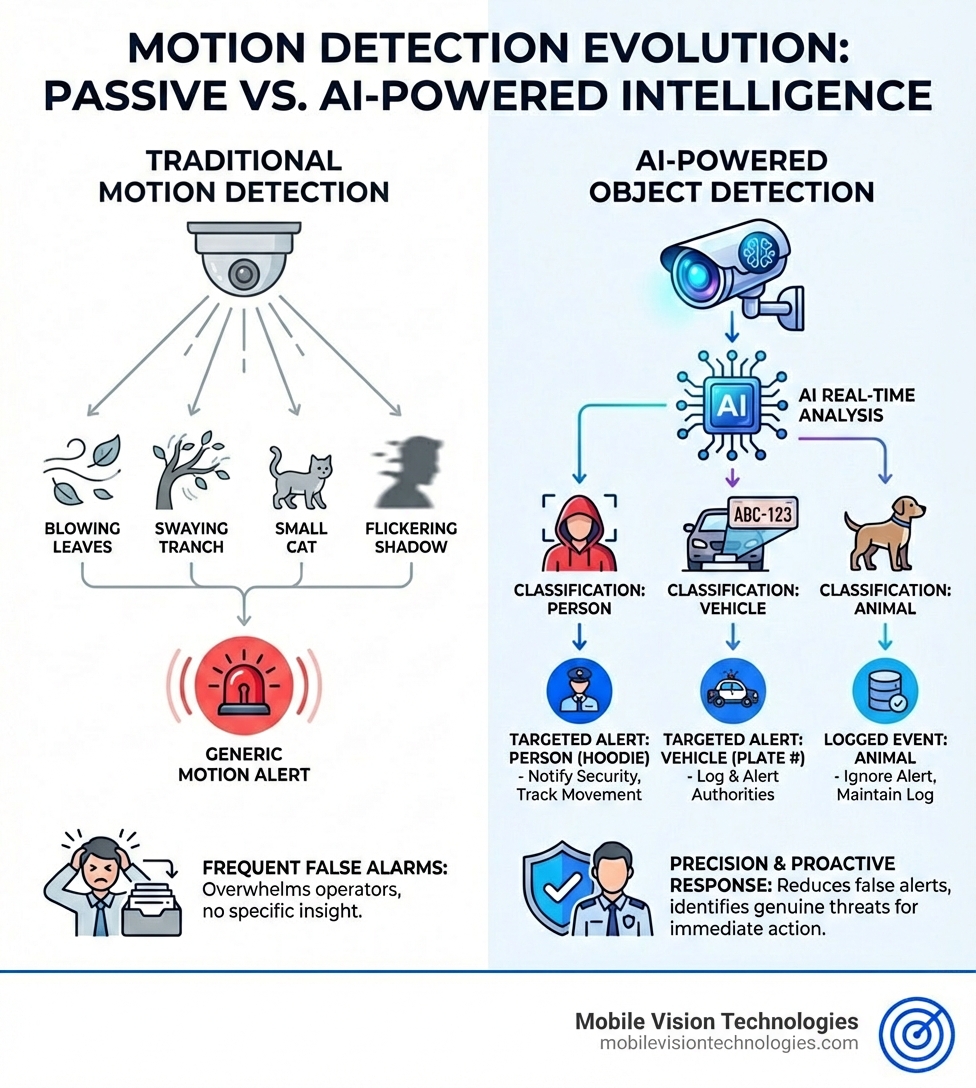
For decades, security cameras were essentially “dumb recorders,” capturing hours of footage that someone had to sift through after an incident. These traditional systems couldn’t distinguish a real threat from a tree branch swaying in the wind, making them largely passive tools.
AI changes everything. Instead of drowning security teams in alerts or forcing them to review endless footage, AI-powered cameras understand what they’re seeing. They can identify a person loitering near equipment at 2 AM, recognize a vehicle that doesn’t belong, or spot unusual crowd behavior—and alert you immediately. The global AI security software market is growing at over 35% annually through 2028, and many businesses report 30-60% reductions in security costs after deployment.
I’m Chris Edens, and I’ve spent my career protecting people and assets. In this guide, I’ll show you how AI transforms surveillance from a passive recording tool into an intelligent security system that detects, deters, and defends your property around the clock.
The Brains Behind the Brawn: Core Capabilities of AI Security Cameras
Imagine a security guard who never blinks, gets tired, or misses a detail. That’s what AI powered security cameras bring to the table. At their core, these systems use computer vision and deep learning algorithms for real-time video analysis. Instead of just recording, they’re actively watching and understanding what’s happening, turning raw video into actionable insights for proactive threat prevention. For a deeper dive into how this technology works, you can find more info about AI-Powered Video Surveillance.
How AI Improves Object Detection and Recognition
A major AI advancement is the ability to precisely detect and classify objects. Traditional cameras trigger alarms for any movement—a leaf, a squirrel, or shadows—leading to a flood of false alarms. AI powered security cameras, however, use deep-learning to differentiate between people, vehicles, and animals. This intelligent object detection drastically reduces false alarms, ensuring security teams are only alerted when it matters.
Beyond just reducing false alarms, this precision also has practical benefits for data management. AI cameras can reduce storage and network requirements by up to 70% with Smart Bitrate Control. This is because they can intelligently prioritize and compress footage based on the detected objects and events, rather than indiscriminately recording everything at the highest quality.
Advanced Recognition Features
The intelligence of AI powered security cameras extends to advanced recognition features for a deeper layer of security. Facial recognition technology analyzes unique facial features to identify known individuals or flag persons on a watchlist. Similarly, License Plate Recognition (LPR) captures and processes vehicle license plates to manage traffic, grant automated access, or detect suspicious vehicles.
These advanced recognition capabilities are crucial for a variety of security and access control applications:
- Identifying known individuals: For seamless access control or to alert staff to VIP arrivals.
- Detecting persons of interest: Matching faces against a watchlist of unauthorized individuals.
- Vehicle tracking: Monitoring vehicle entries and exits, and identifying suspicious vehicles.
- Automated access: Granting entry to authorized vehicles based on LPR.
- Forensic investigation: Quickly searching for footage related to specific faces or license plates.
Behavioral and Anomaly Detection
What if your cameras could understand what they were seeing? That’s the power of behavioral and anomaly detection. These systems learn typical activity patterns and flag anything that deviates from the norm. For example, an AI camera can detect:
- Loitering: A person remaining in one area for too long, especially during off-hours.
- Unusual motion: Someone moving erratically or at an atypical speed.
- Crowd counting: Monitoring occupancy levels for safety compliance and alerting teams if limits are breached.
- Object tracking: Following a detected object, like an intruder, as they move across the scene to provide a complete visual record of their actions.
Beyond Recording: The Tangible Benefits of AI-Powered Security Cameras
The true value of AI powered security cameras lies in their tangible benefits. They fundamentally change security from reactive recording to proactive prevention. This shift acts as a powerful deterrent, reduces costs, and provides valuable operational intelligence.
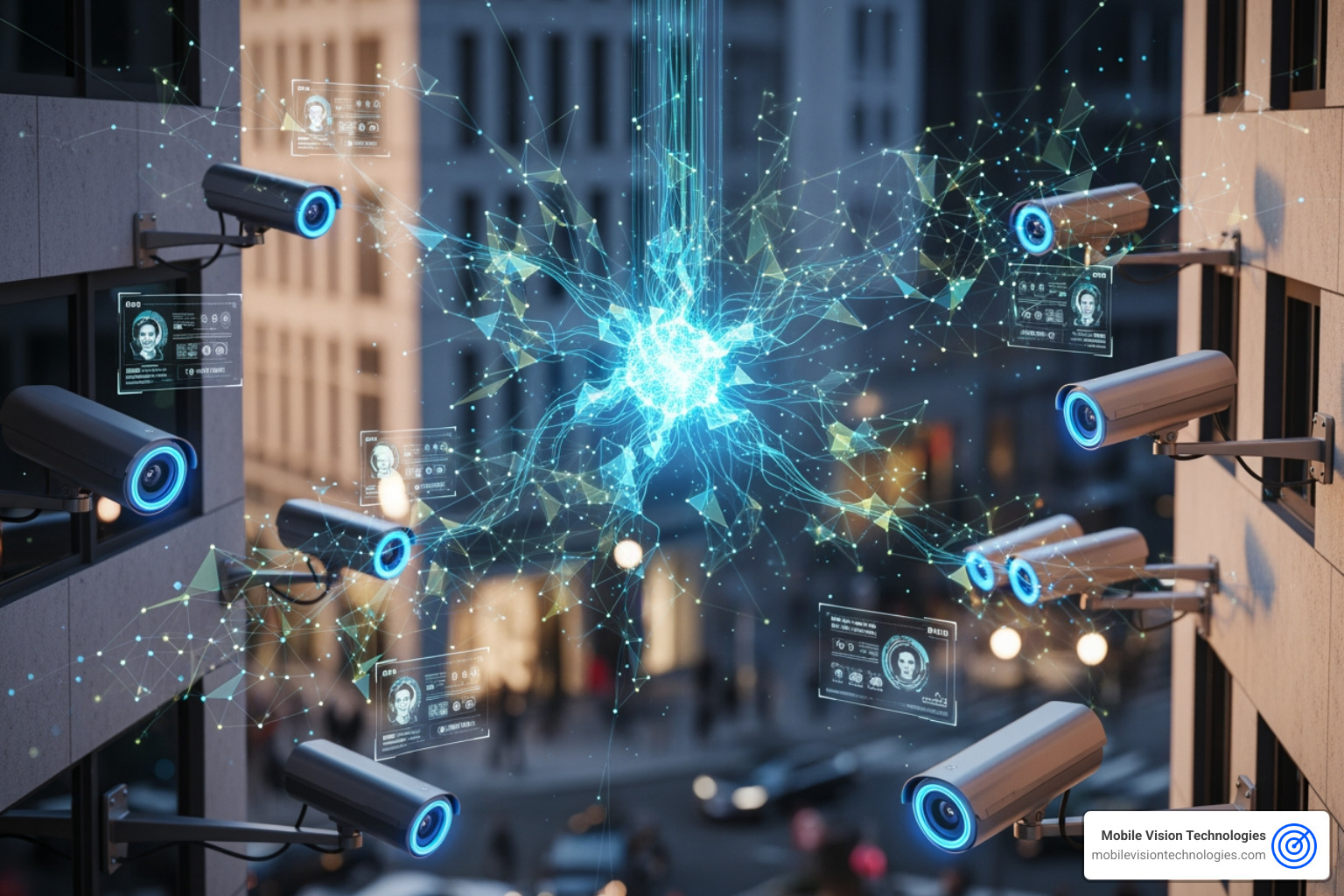
Many businesses, after deploying these systems, report substantial reductions in security costs, often ranging from 30% to 60%. This isn’t just about cutting corners; it’s about optimizing resources and achieving superior protection.
Improved Protection and Faster Response
A critical benefit of AI powered security cameras is improved protection and faster response. Unlike traditional systems, AI provides intelligent threat detection and real-time alerts. When a genuine threat is identified, security teams receive immediate notifications for rapid assessment. AI also enables automated deterrence. Upon detecting an intruder, a system can trigger lights, sirens, or a pre-recorded audio message. This “AI Audio Talk Down” capability can even personalize warnings, often stopping incidents before they escalate. Furthermore, AI-powered search features drastically speed up forensic investigations, reducing review time from days to hours and helping law enforcement make arrests faster.
Significant Cost-Benefit and ROI
Investing in AI powered security cameras is a smart business decision with a clear ROI. While the upfront cost may be higher, the long-term savings are substantial. Here’s why:
- Reduced Security Guard Costs: AI monitoring reduces the need for human patrols, with many clients reporting 30–60% cost reductions.
- Lower False Alarm Fees: AI accurately distinguishes real threats, cutting down on false alarms and associated fines.
- Minimized Theft and Shrinkage: Proactive deterrence leads to fewer theft attempts and reduced inventory loss.
- Operational Savings: Smart Bitrate Control can reduce storage and network needs by up to 70%.
The business case for implementing AI security software is clear: it’s about changing security from a necessary expense into a strategic asset that reduces operational costs while providing superior protection.
| Feature/System | Traditional Security Guards | AI-Powered Camera Monitoring |
|---|---|---|
| Cost | High recurring payroll | Higher initial investment, lower recurring |
| Coverage | Limited by patrol routes | 24/7, multi-angle, simultaneous |
| Alerts | Human observation | Real-time, intelligent, contextual |
| False Alarms | Human judgment | Significantly reduced by AI |
| Response | On-site physical response | Automated deterrence, remote alerts |
| Efficiency | Manual, prone to fatigue | Automated, tireless analysis |
| ROI | Primarily cost center | Cost reduction, operational intelligence |
Gaining Operational Intelligence
Beyond security, AI powered security cameras act as a business intelligence tool. They provide operational insights to optimize your business. For example, AI can generate heatmaps of customer traffic to optimize store layouts, monitor employee workflows to identify bottlenecks, or track space utilization in a warehouse. This data drives smarter decision-making and improves overall efficiency. Learn more info about Warehouse Security Systems and how AI can optimize your operations.
From Theory to Reality: Implementing and Integrating AI Systems
Implementing AI powered security cameras requires careful planning. The process begins with a security assessment to identify vulnerabilities. Next is system integration, where AI software is often added to existing IP cameras and NVRs, avoiding a complete hardware overhaul. After integration, training and customization teach the AI your specific environment and rules. Finally, ongoing optimization through software updates and machine learning ensures the system remains effective.
Key Considerations for Deploying ai powered security cameras
When deploying AI powered security cameras, several factors are critical:
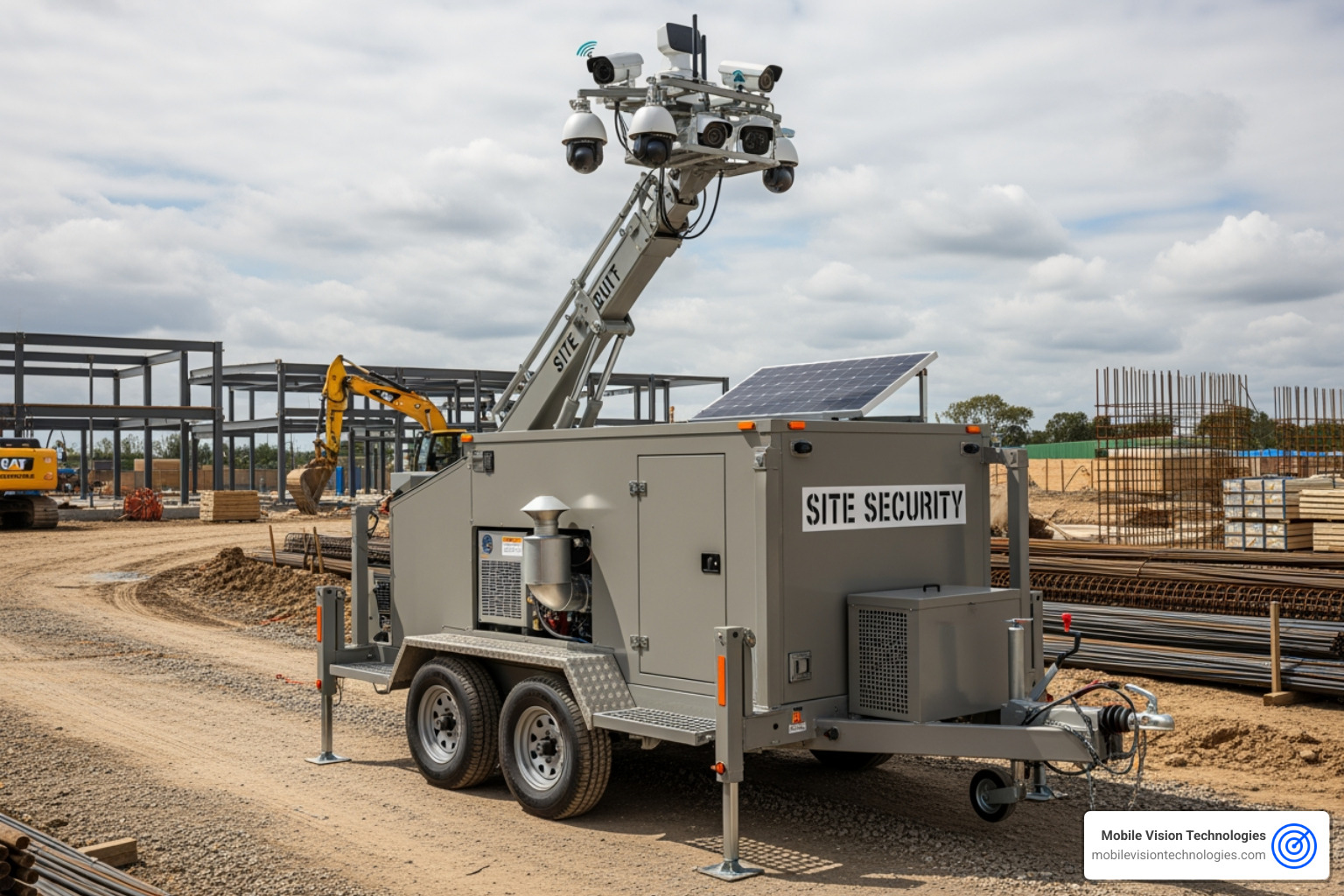
- Unique Security Needs: We choose AI cameras that address your specific vulnerabilities, whether it’s intrusion detection on a construction site in Jackson, TN, or LPR in a parking lot in Lakeland, TN.
- Scalability: It’s crucial to select systems that can grow with your business. Scalability ensures the long-term value of your investment. Learn more info about Multi-Location Security Solutions.
- Ease of Integration: The system should integrate with your existing security infrastructure, like access control, to create a unified and efficient framework.
- Cost: We evaluate the long-term ROI, including reduced operational costs and mitigated losses, not just the upfront investment.
Navigating Privacy and Compliance
The deployment of AI powered security cameras introduces important privacy and compliance considerations. Because these cameras analyze extensive data, we must address data protection and adhere to privacy regulations. To steer these concerns, we implement robust data management practices, including transparency about data use and establishing ethical frameworks for responsible deployment, such as those outlined in the NIST AI Risk Management Framework. We believe AI should improve safety without infringing on individual rights, focusing on specific threats rather than indiscriminate data collection.
The Role of Edge Computing and Cloud Management
Edge computing and cloud management work together to deliver superior performance. Edge computing processes data directly on the camera, reducing latency for near-instant alerts and saving bandwidth. This local processing also improves data privacy. Cloud-based management provides the flexibility for remote access, automatic software updates, and centralized control for multi-location deployments. This combination creates a powerful, resilient, and highly effective security solution. Find more info about our Services and how we leverage these technologies.
The Future is Watching: Trends and Advancements in AI Security
The AI security camera industry is experiencing explosive growth, with the global AI security software market projected to grow at a CAGR of over 35% through 2028. This expansion is fueled by rapid adoption, increased investment, and the emergence of integrated platforms. This trend indicates a sustained shift towards intelligent, proactive security solutions.
What is Agentic AI and How Does it Improve Security?
A key advancement is Agentic AI, a next-generation technology that can “think,” assess context, and take automated actions with minimal human input. It improves security by:
- Automated Deterrence: Triggering sophisticated, personalized responses, like an “AI Audio Talk Down” that uses situational context to warn off intruders.
- Contextual Understanding: Assessing behaviors to identify loitering or intrusions, providing better situational awareness.
- Forensic Search: Enabling keyword-based searches to find specific events or individuals in seconds.
- Proactive Defense: Empowering systems to act before a crime occurs, reducing the need for constant human monitoring.
Future Possibilities in AI Surveillance
The future of AI powered security cameras promises even more advanced capabilities, moving security from reactive to truly predictive. Future possibilities include:
- Predictive Security: Analyzing trends to anticipate potential threats before they happen.
- Natural Language Processing (NLP) Search: Interacting with your security system using plain language for intuitive forensic searches.
- Health and Safety Monitoring: Detecting slips, falls, or other safety incidents in industrial or public spaces.
- Deeper Integration with IoT: Seamlessly connecting with other smart devices to create a fully responsive environment.
These advancements will continue to transform security from a cost center into an intelligent, strategic asset, offering unprecedented levels of protection and operational efficiency.
Frequently Asked Questions about AI Security Cameras
What is the main difference between traditional security cameras and ai powered security cameras?
Traditional cameras are passive recorders, creating large volumes of footage for manual review and generating frequent false alarms. AI powered security cameras actively analyze video in real-time to identify specific objects (people, vehicles) and events. They send intelligent alerts and provide searchable data, changing surveillance into a proactive tool that prevents incidents. AI differentiates between normal and suspicious activity, moving beyond simple recording.
Can AI security software be added to my existing cameras?
Yes. Many advanced AI security solutions are software-based and can be integrated with existing IP cameras and Network Video Recorders (NVRs). This allows you to upgrade your surveillance with intelligent analytics without a complete hardware overhaul, adding a layer of AI to make your existing cameras smarter.
Which industries benefit most from AI security solutions?
Industries with large perimeters, high-value assets, or public areas see immense benefits. This includes construction sites, parking lots, retail, logistics, law enforcement, and property management. Key applications include preventing theft, monitoring for loitering, reducing shrinkage, tracking assets, and speeding up investigations. Our mobile surveillance systems are effective for these industries across Memphis, TN, Bartlett, TN, and surrounding areas.
Conclusion
As we’ve explored, AI powered security cameras are revolutionizing security. We’ve moved from passive recording to active intelligence, where systems can differentiate threats, track behavior, and deter crime proactively. This fundamental shift makes security a strategic asset, not just a cost.
At Mobile Vision Technologies, we know effective security in places like Memphis, TN, and Southaven, MS, demands more than cameras. It requires intelligent solutions combining IoT expertise with security experience. Our mobile surveillance systems offer flexible, full-service protection that leverages AI for significant cost savings and operational intelligence.
The future of security is intelligent and proactive. We’re here to equip your business with the smartest eyes in the game. To learn more, Learn more about AI-Powered Video Surveillance on our site.